
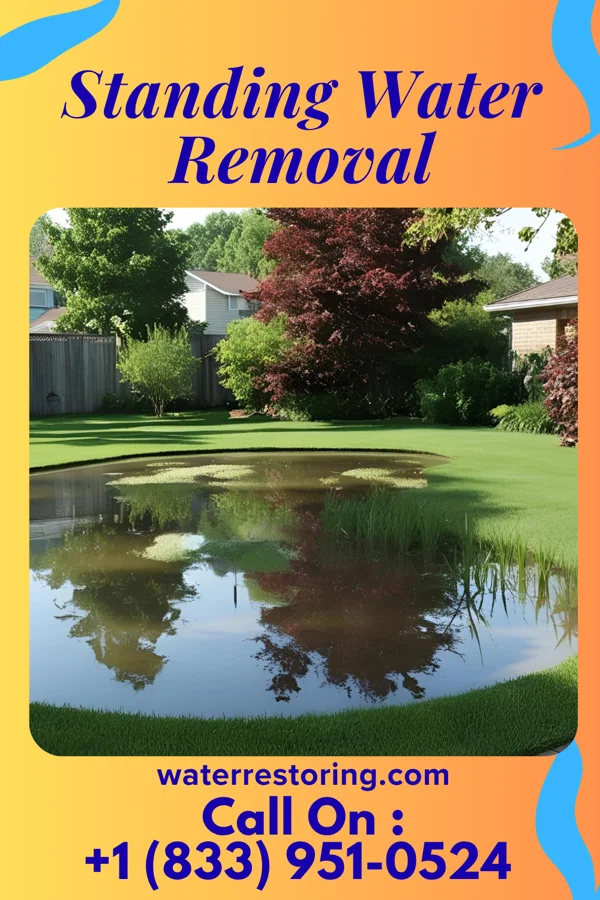
Standing Water & Insurance in White Springs
In White Springs, Florida, primary water damage often stems from sudden flooding due to heavy rainfall or stormwater runoff, especially near the rural areas close to Lake City and Five Points. Additionally, agricultural activities in the region can lead to water accumulation in low-lying fields and residential properties. is the trigger behind most standing water removal claims in White Springs. A close second is Secondary causes include plumbing leaks from aging infrastructure, septic system failures, and groundwater seepage into basements of older homes. These issues are common in the rural setting of White Springs due to its proximity to natural water sources.. Most homeowner insurance policies cover sudden, accidental water damage. What separates a clean claim from a stuck one is fast professional response with documentation an adjuster can actually use.
White Springs experiences a subtropical climate with high humidity and frequent thunderstorms, increasing the risk of water damage. The area is also prone to seasonal flooding, particularly during the wet season, which can lead to prolonged moisture issues in homes.
Most standing water removal calls in White Springs come from In White Springs, Florida, primary water damage often stems from sudden flooding due to heavy rainfall or stormwater runoff, especially near the rural areas close to Lake City and Five Points. Additionally, agricultural activities in the region can lead to water accumulation in low-lying fields and residential properties.. Running a close second is Secondary causes include plumbing leaks from aging infrastructure, septic system failures, and groundwater seepage into basements of older homes. These issues are common in the rural setting of White Springs due to its proximity to natural water sources.. Local mold risk: Due to the high humidity and frequent rainfall, mold can develop quickly in White Springs, making prompt water damage response critical to prevent health risks and structural damage. Local homes are especially vulnerable due to their proximity to water bodies and agricultural land.